A new treatment for heart failure

A small-molecule lead programme based on a novel therapeutic concept.

The condition

A growing challenge with no curative treatment

Heart failure affects more than 64 million people worldwide, and its prevalence is rising, driven by ageing populations and increasing rates of obesity, hypertension, and diabetes.


Of the two types of heart failure, one variant stands out for its unmet need: heart failure with preserved ejection fraction, or HFpEF. In HFpEF, the heart pumps normally but has become too stiff to fill properly, causing breathlessness, fatigue, reduced quality of life, and frequent hospitalisations.

HFpEF now accounts for approximately half of all heart failure cases globally. Despite decades of research and several meaningful advances, no treatment has yet demonstrated a reduction in mortality.


The biology

Fibrosis: at the heart of the problem

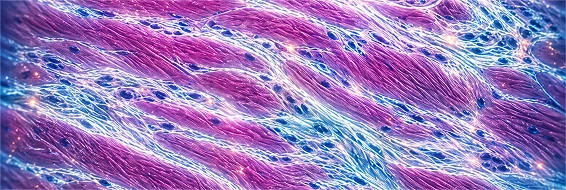
A key driver of HFpEF is cardiac fibrosis, the excessive accumulation of structural proteins in the heart muscle. As the extracellular matrix, the protein network surrounding cells, becomes dysregulated, the heart stiffens progressively and loses its ability to function normally.

Fibrosis is not merely a consequence of disease progression, it is an active biological process. The extent of fibrosis is associated with disease severity and with outcomes: patients with greater fibrosis burden face higher risk of hospitalisation and death, even after accounting for conventional risk factors.

Despite this, cardiac fibrosis has remained a difficult therapeutic target. Most approved treatments produce indirect or modest effects on the fibrotic process. Leading experts have identified its management as the largest unmet medical need in heart failure.

Our programme

A validated target for a silent epidemic

Klyv’s lead programme targets an enzyme that regulates extracellular matrix remodelling and is selectively upregulated in diseased cardiac tissue. Inhibiting this enzyme has been shown to prevent heart failure progression and reduce cardiac fibrosis in preclinical studies, with an encouraging tolerability profile relative to broader anti-fibrotic approaches.

Unlike therapies repurposed from adjacent indications, our programme is built from the outset around the biology of cardiac fibrosis. The underlying biology creates an opportunity to intervene earlier in the disease course, including in patients with objective evidence of cardiac structural changes before overt heart failure symptoms develop. It reflects a growing view in cardiovascular medicine that earlier intervention may offer the greatest potential for biological reversal.
The programme is currently in lead optimisation, advancing towards a development candidate.

Scientific evidence

One enzyme, three lines of evidence

Our confidence in the target is built on years of rigorous research across multiple biological systems.

Expressed in patients with heart failure

The enzyme is detectable in cardiac tissue from patients with heart failure, supporting its relevance as a target in human disease. 

Top-regulated gene in fibrotic
fibroblasts 

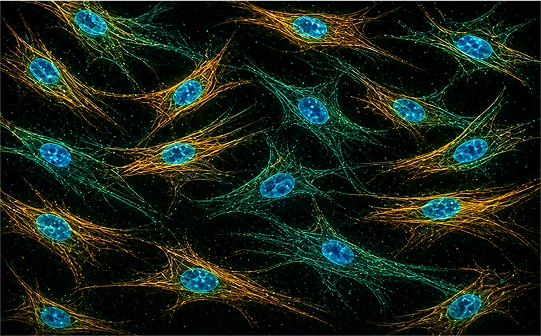
Klyv’s targeted enzyme is among the most upregulated genes in fibrosis-activated cardiac fibroblasts – the cells that drive matrix remodelling in the diseased heart.

Beneficial effects demonstrated in multiple preclinical studies

Enzyme inhibition reduced cardiac fibrosis, improved heart function, and increased survival in heart failure rats.

Scientific momentum

A field at an inflection point

The therapeutic landscape in HFpEF is more active than at any point in recent history.

After decades of negative clinical trials, positive phase 3 results have now been demonstrated for SGLT2 inhibitors, mineralocorticoid receptor antagonists, and GLP-1 receptor agonists, validating the field and increasing confidence among investors and regulators alike.

These advances are meaningful, but no small-molecule therapy targeting cardiac fibrosis directly has yet advanced to late-stage clinical development.

Klyv is developing in a window of scientific momentum and unmet need, targeting a mechanism not addressed by any currently approved therapy, in a disease where the case for better treatment is widely recognised.