Organ protection in the space between

Finding solutions by targeting the extracellular matrix.

Biology beyond the cell

Extracellular matrix

Most medicines act on processes on or in cells. At Klyv Therapeutics, we focus on an equally important but less explored part of biology: the extracellular matrix (ECM).


The ECM is a network of proteins that surrounds cells and gives tissues their structure. Beyond providing mechanical support, it regulates how cells communicate, respond to stress, and adapt to injury.

In many diseases, the ECM becomes dysregulated. Excessive remodelling can lead to fibrosis, where tissue becomes stiff and loses its normal function. In the heart, this process contributes to heart failure with preserved ejection fraction (HFpEF), where increased stiffness prevents the heart from filling properly.
Despite its importance in disease, the ECM has historically been less frequently targeted than intracellular processes. At Klyv Therapeutics, we focus on enzymes that regulate extracellular matrix remodelling. We are developing small-molecule inhibitors that modulate these processes, with the aim of protecting organ function in the space between cells.


Our approach

Our discovery approach

Developing new medicines requires combining insights from several scientific disciplines.

Our discovery strategy integrates computational chemistry, medicinal chemistry, and biological testing in iterative cycles that allow us to design, synthesise, and evaluate new compounds efficiently.

Computational chemistry
Medicinal chemistry
Biological testing

Computational chemistry

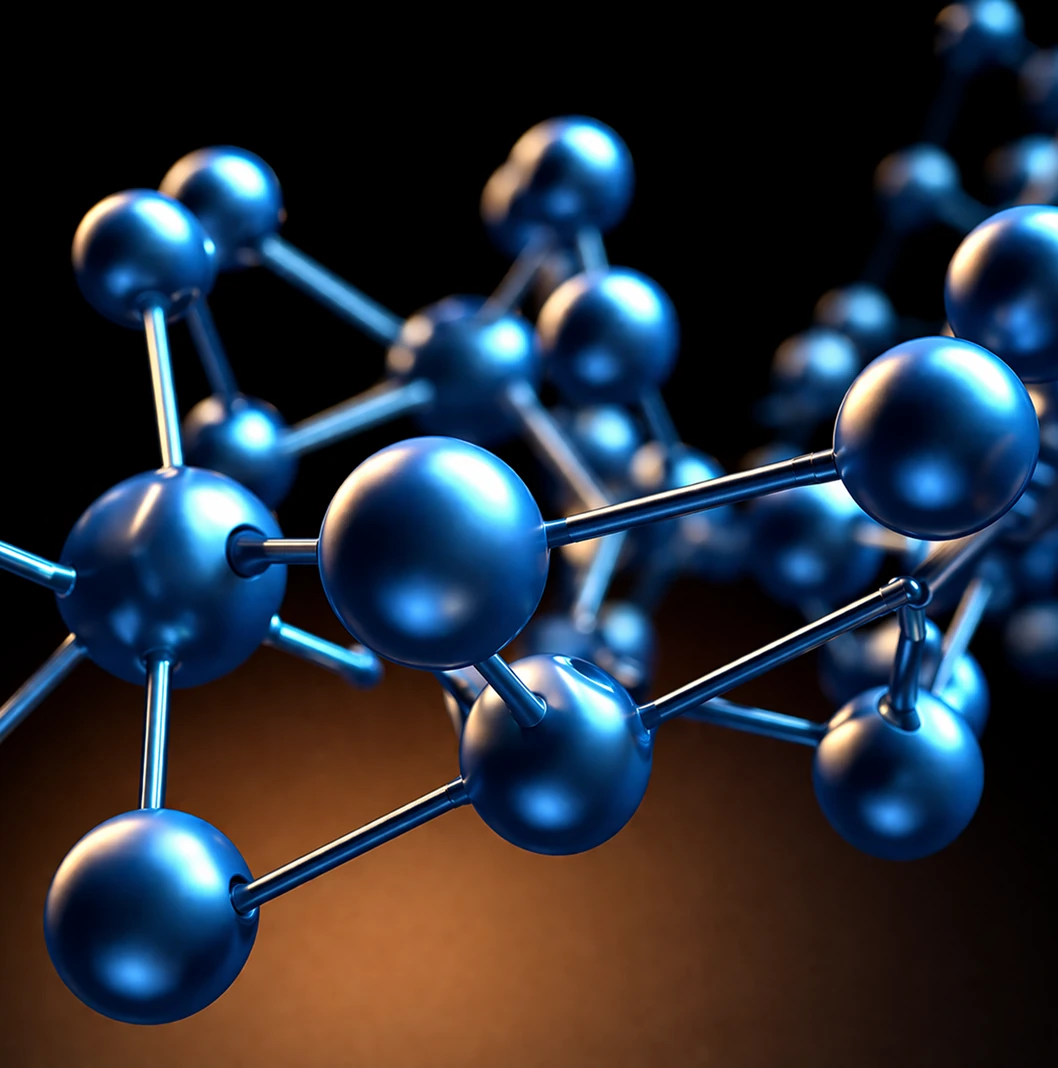
Our drug discovery begins with computational modelling of biological targets and candidate molecules. Using structural data and advanced modelling tools, we simulate how potential drug molecules interact with enzymes involved in extracellular matrix remodelling.

These models help us identify compounds that are likely to bind selectively to the target while avoiding unwanted interactions with related proteins. This approach allows us to screen a wide range of candidate molecules and prioritise the most promising candidates for synthesis.

Medicinal chemistry​

Selected molecules are synthesised and refined using organic chemistry. Chemists design and produce new variants of promising compounds to optimise potency, selectivity, and drug-like properties. Each round of synthesis is guided by data from previous experiments, improving the characteristics required for a potential therapeutic candidate.

Biological testing

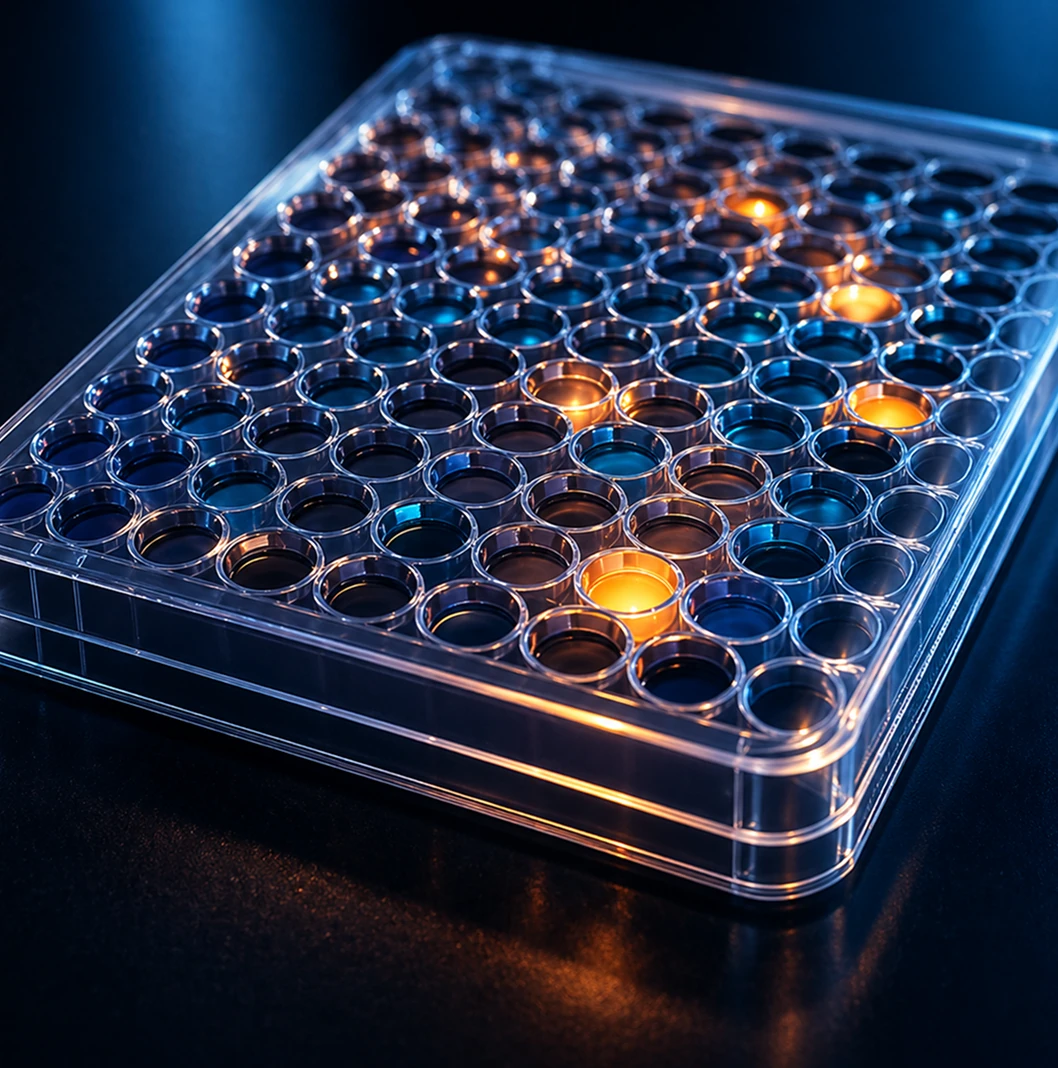
Newly synthesised compounds are evaluated in a testing cascade of biological assays of increasing complexity. These experiments measure how effectively compounds inhibit the target enzyme and assess their effects on fibrosis-related biological processes. Data from these assays feed back into the design process, enabling rapid optimisation of the most promising candidates for further development.

Pipeline

Pipeline

Our current research programmes focus on developing small-molecule inhibitors that modulate extracellular matrix remodelling, with an initial focus on cardiovascular disease.

Alongside the lead programme, we are exploring several early-stage opportunities based on the same scientific approach. These exploratory efforts aim to identify additional contexts where modulation of extracellular matrix biology may provide therapeutic benefit.

Programme

KLYV1

New programme 1

Indication

HFpEF

Undisclosed

Status

Discoverу

Lead Op

CTA-enabling

Ph 1

Ph 2

Ph 3

Discoverу

Lead Op

CTA-enabling

Ph 1

Ph 2

Ph 3

Programme

KLYV1

Indication

HFpEF

Status

Discoverу

Lead Op

CTA-enabling

Ph 1

Ph 2

Ph 3

Programme

New programme 1

Indication

Undisclosed

Status

Discoverу

Lead Op

CTA-enabling

Ph 1

Ph 2

Ph 3